
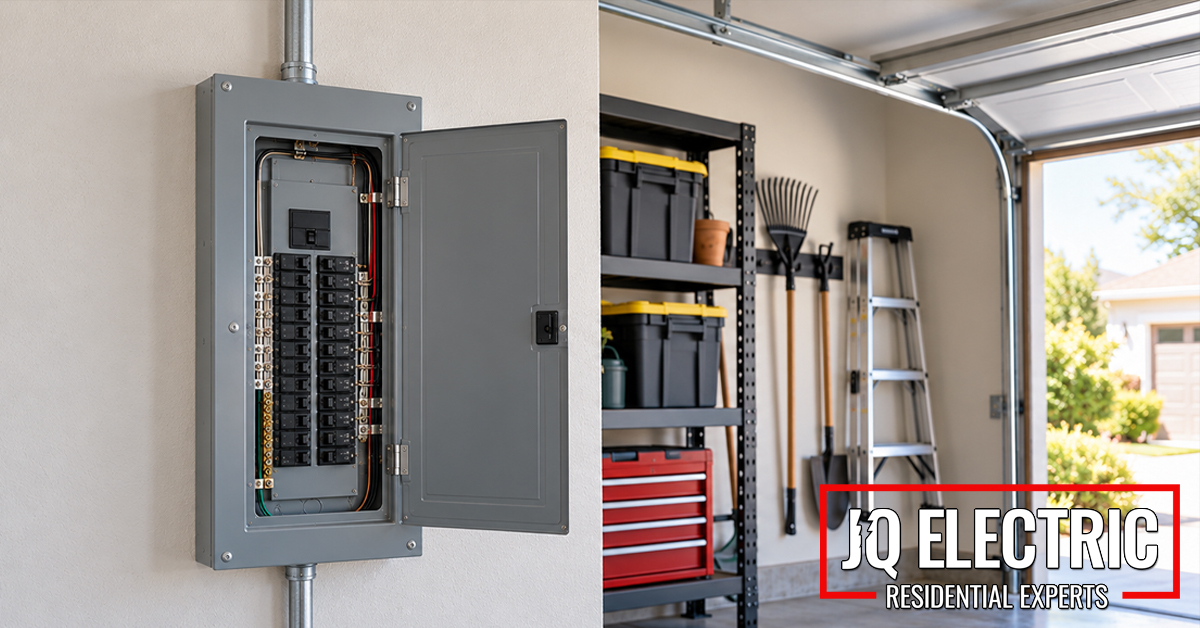
A Panel Upgrade Cost depends on your home, electrical demand, existing equipment, and the work required for safe installation. That is why two Maryland homeowners may receive very different estimates for similar projects.
A simple panel replacement may involve fewer materials and less labor. However, a complete service upgrade can include much more.
Understanding those differences helps you compare estimates accurately and avoid surprises.
Why Panel Upgrade Prices Vary
Every home has a different electrical system. Age, wiring condition, panel location, circuit count, and household demand all affect pricing.
One home may need a straightforward panel replacement. Another may require service equipment, grounding updates, utility coordination, and wiring repairs.
Therefore, an electrician should inspect the property before providing a firm estimate.
Panel Replacement Versus Service Upgrade
A panel replacement changes the breaker box while keeping the existing electrical service capacity. This approach may work when that capacity remains adequate.
By comparison, a full service upgrade increases the electricity available to the home. It may include service conductors, meter equipment, grounding, and utility work.
Consequently, the Panel Upgrade Cost increases when the project extends beyond the interior panel.
Moving from 100 Amps to 200 Amps
Many older homes have 100-amp service. That capacity may still support some households, depending on their appliances and daily usage.
However, modern homes often include electric cooking, central air conditioning, large dryers, and multiple entertainment systems. An electric vehicle charger adds another major demand.
A 200-amp service provides more flexibility for current and future equipment. Still, an electrician should complete a load calculation first.
That calculation determines whether you need more capacity or if it’s simply more convenient.
Meter and Service Entrance Work
Sometimes the existing meter and service entrance can remain. In other cases, they need replacement or modification.
Their size, condition, location, and compatibility affect the project. Older equipment may not safely support a larger service.
Additionally, overhead and underground utility connections require different labor. An electrician must review these components before confirming the scope.
Circuit Count and Available Space
The number of circuits inside the current panel affects labor and material costs. The electrician must identify, transfer, connect, and label every circuit.
A crowded panel can make that process more complicated. Previous modifications may also create unsafe or confusing conditions.
Homeowners planning new circuits need enough available breaker space. Those circuits may support an EV charger, a workshop, a finished basement, or a kitchen appliance.
Therefore, discuss plans before choosing a new panel.
Existing Wiring and Hidden Repairs
The condition of existing wiring plays an important role in the final price. Damaged, undersized, or poorly connected wiring may require correction.
Sometimes problems arise only after the old panel is removed. Loose connections, overheated conductors, and improper modifications can remain hidden.
Those repairs add labor and materials. However, fixing them protects the new equipment and improves overall safety.
A professional estimate should explain how unexpected repairs will affect the final price.
Grounding and Bonding Requirements
Grounding and bonding help protect people and equipment during electrical faults. Older systems may need updates during a panel project.
Work may include grounding electrodes, bonding connections, or updated conductors. Water piping and other metal systems may also need proper bonding.
These improvements can increase the Panel Upgrade Cost, but they remain essential for safety.
Accessibility and Panel Relocation
An easily accessible panel usually simplifies the installation. Tight spaces, finished walls, low clearances, and blocked areas can increase labor.
Sometimes the existing location no longer works for current requirements. In that case, relocation may become necessary.
Moving a panel requires extending or rerouting circuits. It can also involve wall repairs and longer service conductors.
As a result, relocation often changes the estimate significantly.
Permits, Inspections, and Utility Coordination
Electrical panel work commonly involves permits and inspections. These steps confirm that the installation follows applicable safety requirements.
A full service upgrade may also require utility coordination. The utility may disconnect power, review service equipment, and reconnect the home.
Scheduling between the electrician, inspector, and utility can affect the timeline. Code updates may also require related improvements.
Those items should appear clearly in the estimate.
Planning for EV Chargers and New Equipment
A panel upgrade offers a valuable opportunity to plan ahead. An EV charger may require a dedicated circuit and additional service capacity.
Likewise, electric ranges, heat pumps, water heaters, and newer HVAC equipment can increase demand. Future renovations may add even more.
Finished basements, additions, workshops, and kitchen remodels often need new circuits. Early planning can reduce repeated electrical work later.
Tell your electrician about future projects before selecting equipment.
How Long Does the Project Take?
A straightforward panel replacement may finish within one working day. More complicated service upgrades may take longer.
Power usually remains off during part of the installation. The exact interruption depends on the scope and the utility’s schedule.
Your electrician should explain the expected timeline beforehand. Then, you can plan around refrigeration, internet service, medical devices, and remote work.
Why the Lowest Estimate May Cost More
A low estimate may not include the same work as another proposal. It could exclude permits, grounding updates, utility coordination, or necessary repairs.
Another quote may include better equipment, clearer labeling, and more complete corrections. Comparing only the final number can hide important differences.
Instead, review the full scope of work. Compare equipment, labor, permits, inspections, warranties, cleanup, and possible added charges.
Clear answers usually indicate a more professional process.
What a Professional Estimate Should Include
A detailed estimate should describe the recommended service capacity and panel equipment. It should identify related meter or service work.
The proposal should also explain grounding, permits, inspections, and utility responsibilities. It should also include planned circuits and future capacity.
You should understand what is included before approving the project.
When an Upgrade Becomes Necessary
Sometimes an upgrade supports future convenience. Other times, safety or reliability makes the project necessary.
Frequent breaker trips, overheating, buzzing, corrosion, and visible damage require professional evaluation. Limited breaker space may also prevent needed improvements.
Renovations, insurance requirements, or new electrical equipment can also create a reason to upgrade. Every recommendation should reflect the individual home.
Why Crofton Homeowners Choose JQ Electric
JQ Electric provides recommendations based on each property rather than offering one universal price. Owner John Quesenberry lives in Crofton and serves the community.
John raises his family locally and volunteers with area sports programs. You may see him around town when he is not helping neighbors.
That local connection supports clear communication, honest recommendations, and dependable service.
Invest in Safety and Future Flexibility
The final Panel Upgrade Cost reflects much more than the breaker box. It includes planning, equipment, labor, and important safety improvements.
A properly completed upgrade can improve reliability, support future projects, and strengthen resale appeal. More importantly, it helps meet your household’s needs.
JQ Electric also installs EV chargers, dedicated circuits, ceiling fans, attic exhaust fans, interior lighting, security lighting, and exterior lighting.
Contact JQ Electric for a professional evaluation and detailed estimate based on your Crofton area home.

