
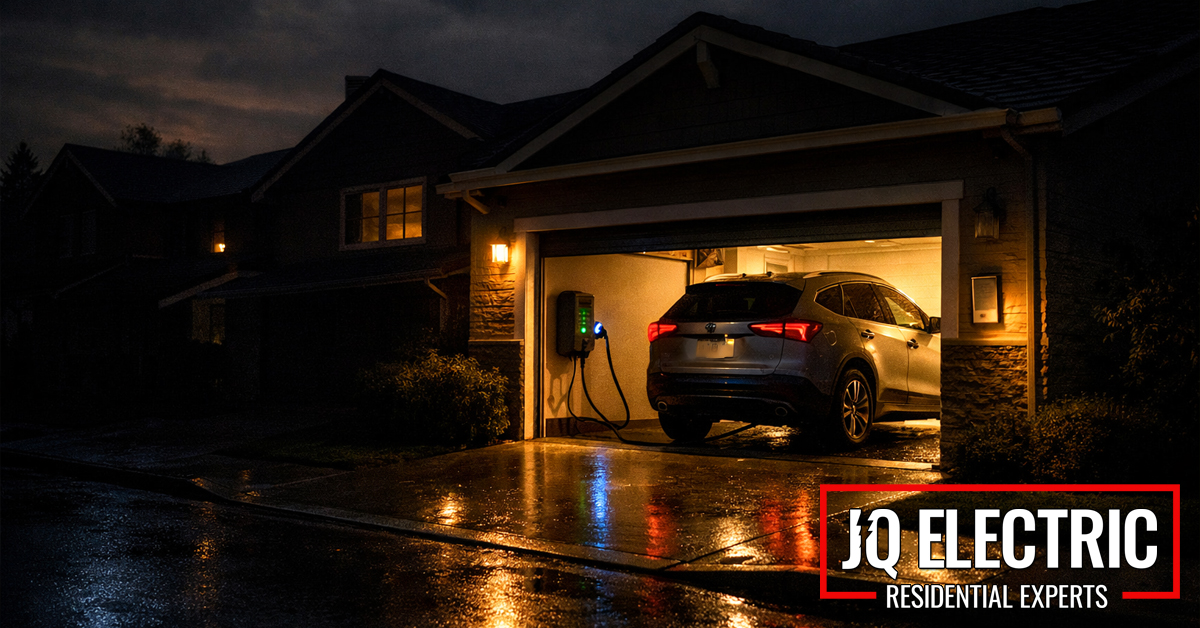
Bidirectional Charging: Powering Your Home with Your Electric Vehicle
Electric vehicles are changing more than transportation. They are also changing how homeowners think about power. One of the biggest advancements is bidirectional charging. This technology allows energy to flow both ways between your vehicle and your home.
Instead of only charging your car, your car can help power your house. That idea is exciting, practical, and becoming more popular every year. Let’s explore what bidirectional charging is, why homeowners are choosing it, and how it compares to traditional EV chargers.
What Is Bidirectional Charging
Bidirectional charging allows electricity to move in two directions. Power can flow from the grid into your vehicle, and it can also flow back out. This means your electric vehicle battery can supply energy to your home.
In simple terms, your car becomes a backup power source. When the grid goes down or power demand spikes, stored energy can be used. This setup turns your vehicle into a flexible energy tool rather than just transportation.
How Bidirectional Charging Works
Bidirectional systems use advanced chargers and compatible vehicles. These chargers communicate with your home and the utility grid. They manage when power flows in and when it flows out.
When charging, electricity moves into the vehicle as expected. When discharging, the system safely sends power back to the home. This process happens automatically once configured correctly.
Professional installation is essential because the system must coordinate with your electrical panel.
Why Homeowners Are Choosing Bidirectional Charging
Homeowners want reliability, efficiency, and control. Bidirectional charging provides all three. During outages, the vehicle battery can keep lights on and refrigerators running.
Many people like the idea of reducing dependence on the grid. Others enjoy using stored energy during peak pricing hours. Some homeowners want peace of mind during storms or emergencies.
Electric vehicles already store large amounts of energy. Using that energy wisely makes practical sense.
Bidirectional Charging and Power Outages
Power outages are becoming more common due to storms and grid strain. Bidirectional charging provides a built in backup power option. Instead of installing a generator, your vehicle can step in.
This setup can power essential circuits or even large portions of the home. The duration depends on battery size and usage. Many homeowners find this flexibility very appealing.
Unlike generators, EV batteries are quiet and produce no emissions.
Types of Home EV Chargers
Not all EV chargers work the same way. Understanding the differences helps homeowners make informed choices.
Level One Chargers
Level One chargers use a standard household outlet. They are slow and best for overnight charging with low daily driving. These chargers do not support bidirectional charging.
Most homeowners quickly outgrow Level One charging due to limited speed.
Level Two Chargers
Level Two chargers use a 240 volt circuit. They charge vehicles much faster and are common in residential garages. Some Level Two chargers support bidirectional charging, depending on the model.
These chargers are popular because they balance speed and affordability.
Bidirectional Capable Chargers
Bidirectional chargers are advanced Level Two or higher systems. They allow energy to flow into and out of the vehicle. These chargers require compatible vehicles and proper home electrical infrastructure.
Installation is more complex, but the benefits are significant.
Why Bidirectional Setups Are Ideal
Bidirectional setups offer flexibility that traditional chargers cannot. They allow homeowners to use stored energy strategically. This can reduce electric bills by shifting usage away from peak hours.
They also provide backup power without extra fuel or noise. Homeowners gain resilience without installing separate battery systems.
As energy prices fluctuate, this control becomes even more valuable.
Bidirectional Charging and the Electrical Panel
A home electrical panel plays a key role in bidirectional charging. The panel must handle both incoming and outgoing power safely. In many homes, a panel upgrade is required.
A professional electrician ensures proper load management and safety. This prevents back feeding into the grid during outages. Proper setup protects utility workers and your home. JQ Electric helps homeowners evaluate panels and prepare for bidirectional installations.
Vehicle Compatibility Matters
Not all electric vehicles support bidirectional charging. Compatibility depends on vehicle design and manufacturer features. Some newer models are built with this technology in mind.
Homeowners should confirm vehicle compatibility before investing in equipment. An electrician can coordinate with manufacturers and charger providers. Planning ahead avoids costly surprises.
Bidirectional Charging Versus Home Batteries
Home battery systems store energy from solar or the grid. Bidirectional charging uses your vehicle instead. In many cases, the vehicle battery is larger than typical home batteries.
Using an EV battery avoids installing a separate storage system. That can reduce upfront costs and complexity.
However, some homeowners choose both options for maximum flexibility.
Safety and Professional Installation
Bidirectional charging involves advanced electrical work. Safety is critical because power flows in multiple directions. Improper installation can damage equipment or create hazards.
A licensed electrician ensures correct wiring, grounding, and system coordination. Permits and inspections are often required. Skipping these steps is risky and not recommended. JQ Electric provides professional installations with safety and reliability as top priorities.
Why Local Expertise Matters
Electrical systems vary by home and location. Local knowledge helps ensure code compliance and proper setup. That is where a trusted local electrician makes a difference.
JQ Electric serves Crofton and surrounding areas with expertise and care. Owner John Quesenberry is deeply involved in the community. He lives in Crofton, raises his family locally, and volunteers with youth sports programs.
When John is not helping neighbors with electrical projects, you may see him around town.
When to Consider Bidirectional Charging
Bidirectional charging is ideal for homeowners with electric vehicles and frequent outages. It also suits those interested in energy independence. Homes planning future solar installations often benefit as well.
If you already plan to install a Level Two charger, upgrading to bidirectional capability may make sense. Discussing options early helps avoid rework later. A professional consultation helps determine the right timing.
Thinking of Installing a Bidirectional Charger at Your Home
Bidirectional charging represents the future of home energy management. It turns electric vehicles into powerful assets rather than passive devices. Homeowners gain flexibility, resilience, and control.
Understanding charger types and system requirements is essential. Professional installation ensures safety and long term performance. With the right setup, your vehicle can do much more than drive.
If you live in Crofton and want to explore bidirectional charging, JQ Electric is ready to help. With local experience and trusted service, they can guide you through every step.

